
Pet-Friendly RVing Across Canada Essentials
Canada-friendly travel with pets requires focused planning: legal paperwork at the border, climate and wildlife awareness across provinces, and RV modifications that keep animals safe and calm. The priority is ensuring pets have up-to-date health documentation, secure travel arrangements, and routines that reduce stress while moving between cities, parks, and campgrounds.
Trip Planning and Legal Requirements
Begin routing with provinces and regions that have robust pet services and flexible park rules. Coastal British Columbia and many Ontario regions offer abundant vet clinics and pet supply stores, while remote stretches of Newfoundland and northern territories have far fewer resources. Border entry follows federal rules enforced by the Canadian Food Inspection Agency. Dogs and cats three months of age or older need a valid rabies vaccination certificate and contemporary vaccine status documentation at the point of entry. Carry original vaccination certificates, a recent health certificate from a veterinarian, and microchip information if applicable. For service animals, federal and provincial rules differ from those for emotional support animals; service animals with proper documentation are permitted in many public areas where pets are restricted, while emotional support designations do not grant the same allowances. Pet insurance that covers illness, accident treatment, and emergency evacuation is strongly recommended for long stays away from home.
Before leaving, secure municipal licenses where required. Licensing is managed at the local level in most provinces. Keep records of transient stays, vaccinations, and licensing on paper and as photos stored in cloud access.
Essential documents to carry after a brief prep paragraph:
- Rabies certificate, vaccine history, recent vet health certificate, microchip ID and contact details.
- Proof of municipal licensing where applicable, emergency contact, and insurance policy numbers.
Preparing the RV and On-Road Safety
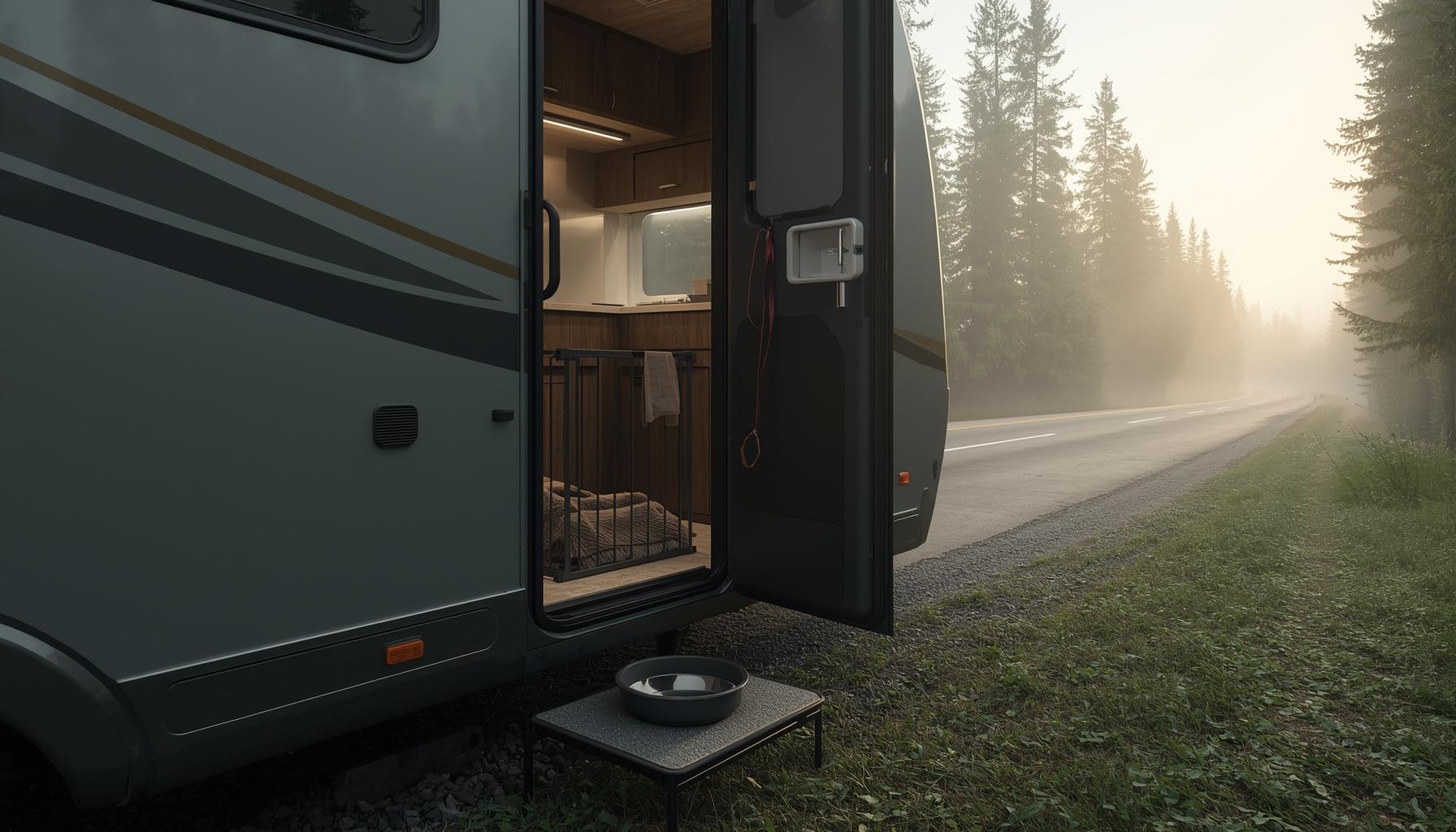
Convert living spaces into safe, easy-to-clean zones. Hard vinyl or marine-grade flooring resists mud and moisture better than carpet. Install removable, machine-washable bedding to keep bedding fresh and reduce allergens. Secure hazardous cabinets and heavy items so they cannot shift while driving. Crates fastened to anchor points and crash-tested harnesses for seat belt attachment offer the best protection during transit; never let a pet roam freely while the vehicle is moving. Temperature management is critical: install window shades, use vent fans with thermostatic control, and monitor interior temperature with a dedicated sensor. Plan for motion sickness by consulting a veterinarian before travel and maintain hydration with collapsible bowls. Frequent stops every two to three hours for exercise and bathroom breaks help with bladder control and reduce anxiety.
Choosing Campgrounds and Park Rules
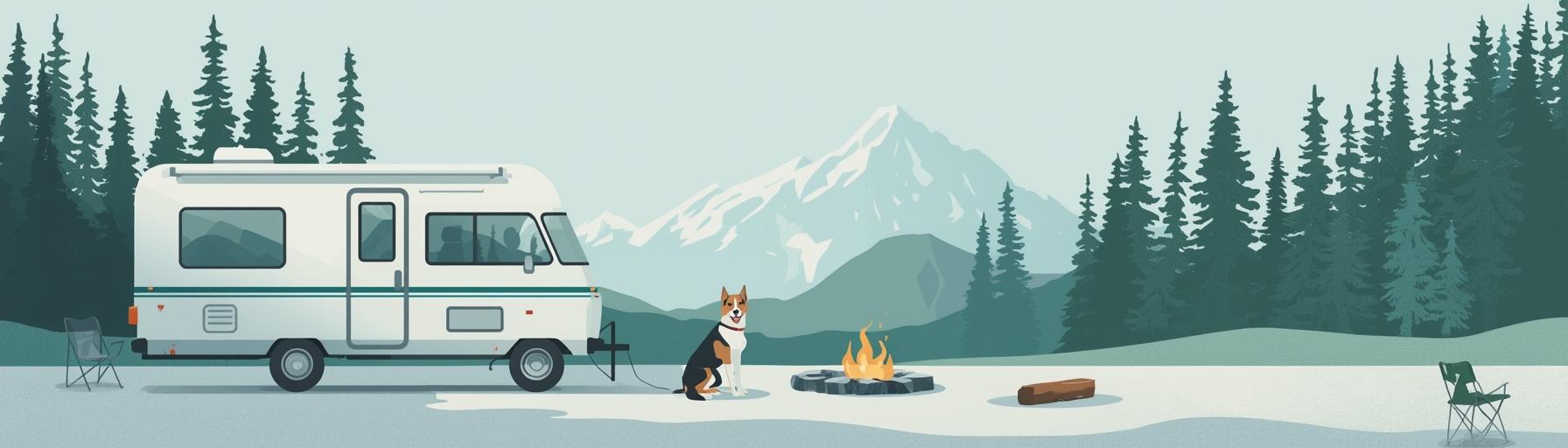
Selection of overnight locations should weigh pet policy, nearby walking areas, and proximity to veterinary services. National park rules are generally stricter: Parks Canada mandates pets be leashed and confined to developed areas, roads, and designated trails in many parks; some backcountry trails and beaches are off-limits. Provincial parks vary by province and park; private campgrounds often advertise pet-friendly areas but may impose size or breed rules. Booking early for peak summer season ensures access to sites that accommodate pets and provide shade or grassy runs.
Below is a concise jurisdictional snapshot to help plan choices and expectations while traveling across provinces and federal lands. The snapshot highlights common rules and practical notes for each area.
| Jurisdiction | Key requirements and typical rules | Practical notes |
|---|---|---|
| Federal (Parks Canada, CBSA) | Rabies certificate for dogs and cats 3 months+ at border; Parks Canada limits pets to front-country areas and requires leashes | Confirm park-specific trail closures and leash rules before arrival |
| British Columbia | Municipal licensing varies; provincial parks typically require leashes and restrict dogs on sensitive trails | Coastal towns have many dog services; remote areas may lack vets |
| Ontario | Municipal licenses common; provincial parks allow pets in campgrounds and main trails on leash; beaches may have seasonal rules | Many urban centers offer emergency clinics within 30–60 minutes |
| Quebec | Municipal licensing and leash bylaws enforced in cities; provincial parks have mixed rules similar to neighboring provinces | French documentation or translations helpful in remote areas |
| Alberta | Licensing varies by city; provincial parks require leash use in developed areas; mountain wildlife requires strict control | Bear country protocols advisable in foothills and Rockies |
| Atlantic provinces | Licensing and leash rules set locally; smaller communities may expect stricter cleanup and control | Vet clinics fewer on islands and rural stretches, plan accordingly |
Training, Health Maintenance, and Emergencies
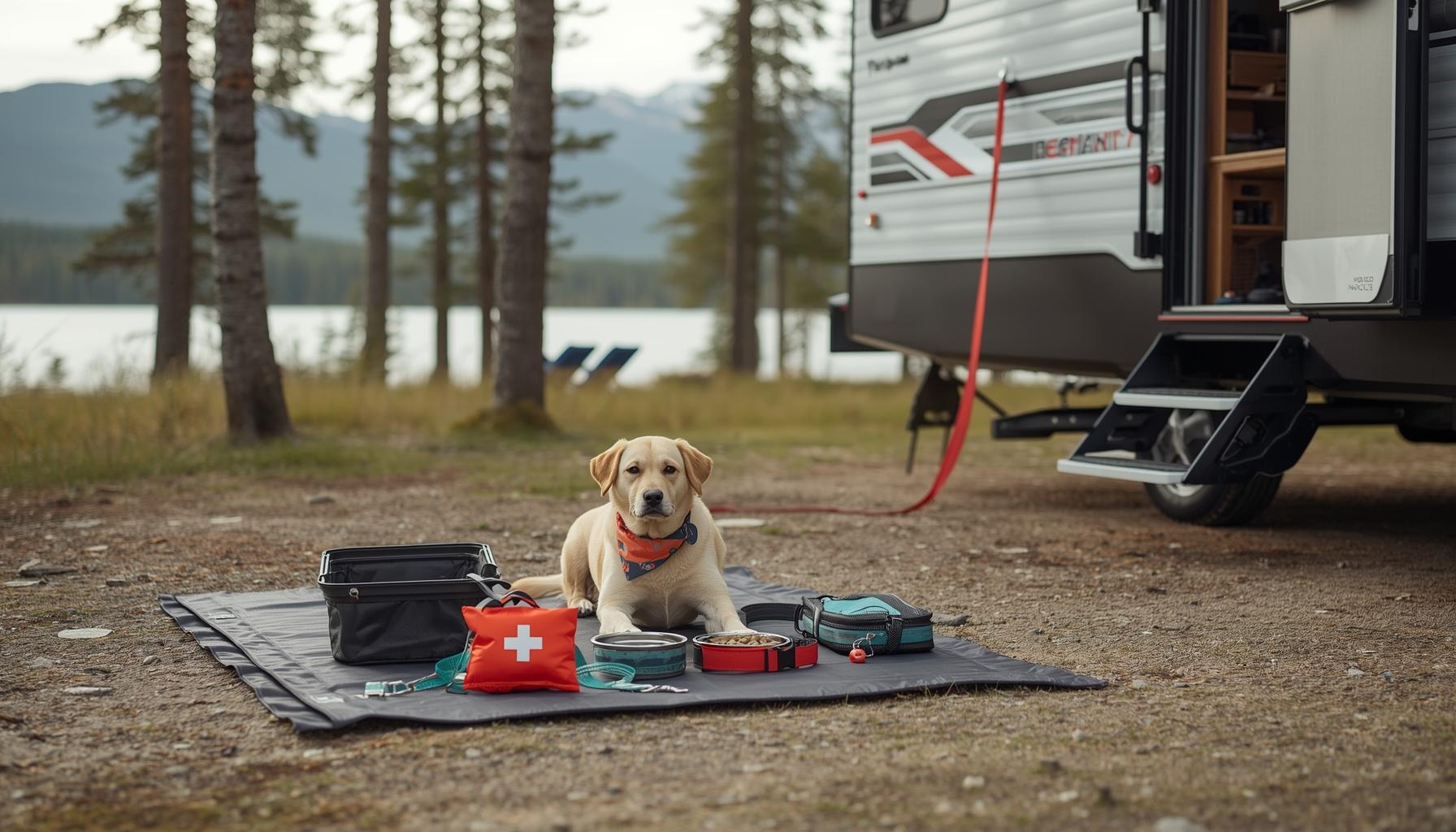
Routine training anchors RV life. Reliable recall, steady leash manners, crate tolerance, and calm behavior around strangers and other animals make camp life safer. Crate training creates a portable safe place during travel and in emergency situations. Keep a pet-specific first aid kit that includes bandage material, tick removal tools, styptic powder, instant cold packs, and a copy of emergency contact numbers. Know how to locate local veterinary hospitals via the Canadian Veterinary Medical Association search and store clinic hours in a travel app. For lost pets, ID tags with current contact numbers, an active microchip, and a photo of unique markings speed reunification. Evacuation planning should include temporary boarding contacts and transportable carriers ready at short notice.
Gear, Seasonal Considerations, Activities, and Resources

Pack high-quality food in airtight containers, collapsible bowls, sturdy leashes and harnesses, and a GPS tracker designed for pets with Canadian coverage. For cold months, insulate sleeping areas, add booties for ice and salt protection, and keep antifreeze safely stored and locked away from pets. Spring travel requires mud management solutions such as trench mats and towels; summer needs shade solutions, fresh water, and paw protection from hot pavement. Engage pets with portable enrichment toys and short frequent outings rather than long, strenuous activities every day.
Useful digital resources include the Parks Canada site for park-specific rules, the CFIA portal for border requirements, the Canadian Veterinary Medical Association clinic locator, and apps that list pet-friendly accommodations and emergency clinics. Community groups tied to Full Time Canada and regional RV forums provide real-time tips and local recommendations from full-time RV households traveling with pets. Continuous preparation, documentation readiness, and adherence to local regulations will keep trips safe, legal, and enjoyable for both people and animals.
